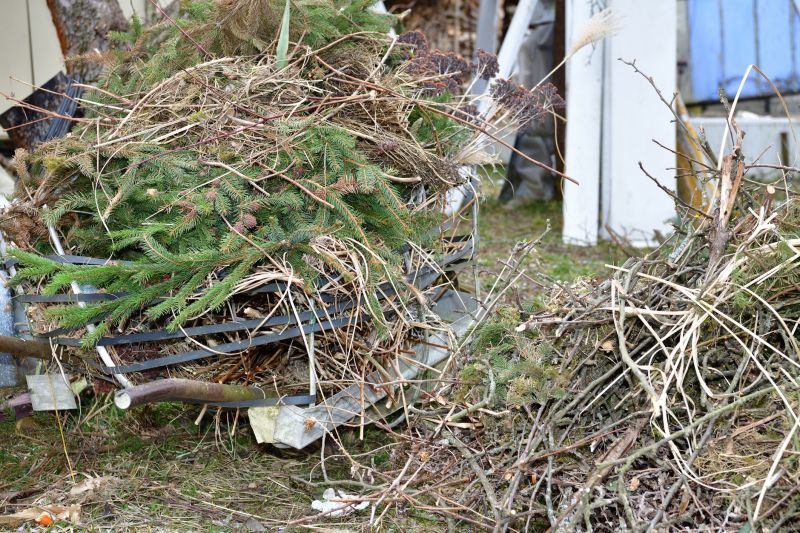
Tree Branch Disposal in Honolulu, HI
Tree branch disposal services involve the removal and proper disposal of fallen, broken, or trimmed tree limbs from residential properties. This service is commonly requested after storm events, routine pruning, or when clearing space around a home. It covers a variety of projects, including the cleanup of storm debris, trimming overgrown branches, or removing hazardous limbs that pose safety risks. Property owners should consider the size and quantity of branches to be removed, as well as the accessibility of the area, to ensure the disposal process is efficient and effective.
Homeowners typically want to understand what types of branches can be handled, whether the service includes removal of large or heavy limbs, and if debris will be hauled away or left on-site. It’s also helpful to clarify any restrictions regarding the disposal of certain types of wood or yard waste. Proper planning can ensure the project meets safety standards and property needs, making the cleanup process smooth and straightforward.
Many property owners in Honolulu, HI look into Tree Branch Disposal for repairs, replacements, upgrades, and appearance-related improvements.
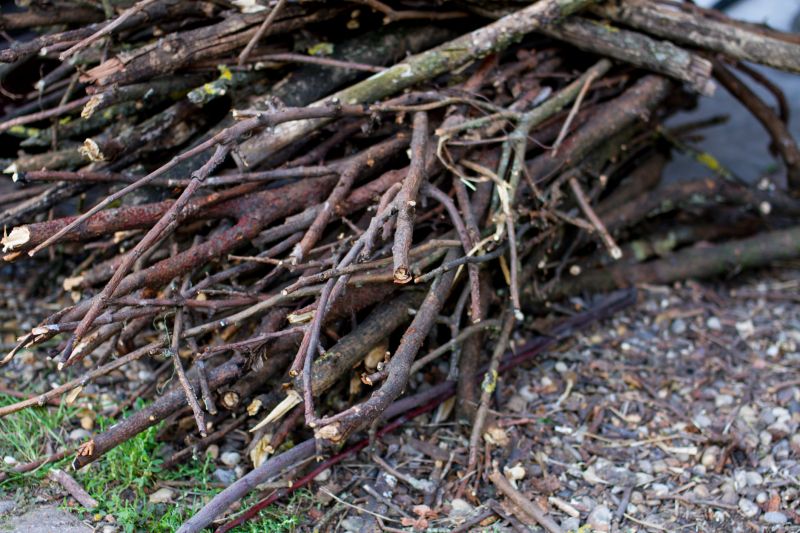
Tree Branch Removal
Safely removing fallen or overhanging branches that pose a risk to property.
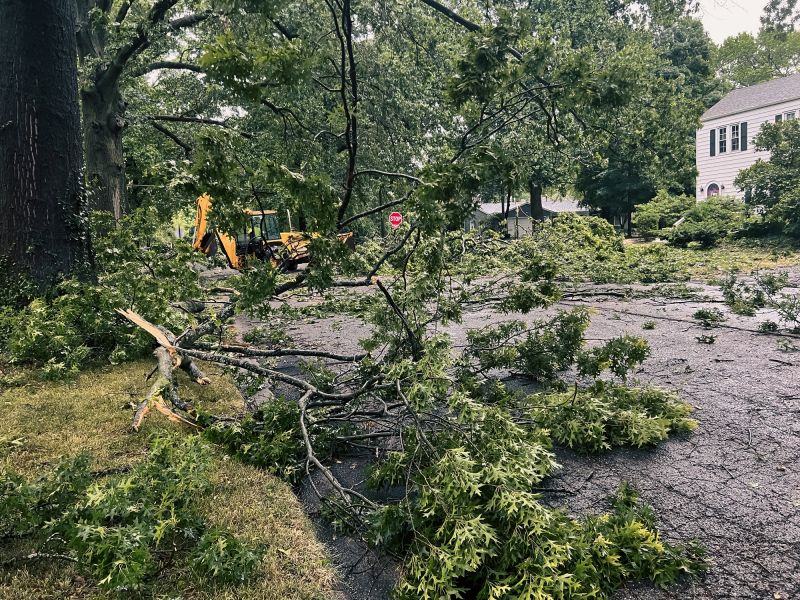
Storm Cleanup
Clearing away tree debris after heavy winds or storms in honolulu and nearby areas.
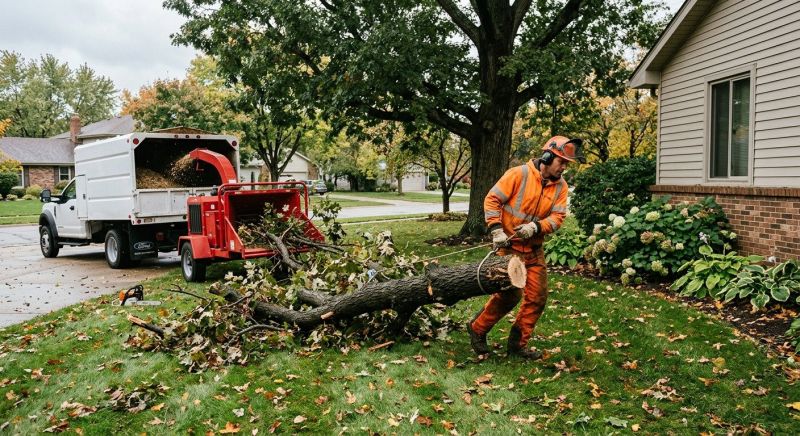
Yard Maintenance
Managing and disposing of excess branches to keep outdoor spaces tidy and safe.
Tree Branch Disposal in Honolulu, HI

Tree branch disposal services involve the removal and proper disposal of fallen, broken, or trimmed tree limbs from residential properties. This service is commonly requested after storm events, routine pruning, or when clearing space around a home. It covers a variety of projects, including the cleanup of storm debris, trimming overgrown branches, or removing hazardous limbs that pose safety risks. Property owners should consider the size and quantity of branches to be removed, as well as the accessibility of the area, to ensure the disposal process is efficient and effective.
Homeowners typically want to understand what types of branches can be handled, whether the service includes removal of large or heavy limbs, and if debris will be hauled away or left on-site. It’s also helpful to clarify any restrictions regarding the disposal of certain types of wood or yard waste. Proper planning can ensure the project meets safety standards and property needs, making the cleanup process smooth and straightforward.
Many property owners in Honolulu, HI look into Tree Branch Disposal for repairs, replacements, upgrades, and appearance-related improvements.
Common Tree Branch Disposal Jobs
Tree Branch Disposal - Removal of fallen or cut tree branches from residential and commercial properties.
Yard Cleanup - Clearing branches to maintain a tidy and safe outdoor space.
Storm Damage Cleanup - Removing broken or hazardous branches after severe weather events.
Pruning Debris Removal - Disposing of branches resulting from regular tree trimming and pruning.
Land Clearing - Clearing large quantities of branches for property development or landscaping projects.
Emergency Branch Removal - Rapid removal of hazardous branches to prevent property damage or injury.
Tree Branch Disposal Questions
What types of tree branches are accepted for disposal? Typically, yard waste such as small to medium-sized branches and pruned limbs are accepted for disposal services.
Are there any restrictions on branch size or quantity? Branches usually need to be manageable in size, and bulk quantities may require special arrangements or multiple pickups.
How should tree branches be prepared before disposal? Branches should be stacked neatly and free of debris or other materials to facilitate efficient removal.
What are common projects that require branch disposal services? Tree trimming, storm cleanup, and landscape renovation are typical projects involving branch disposal needs.
Request Tree Branch Disposal in Honolulu, HI
Use the quote form on this page to share the basics of your project and request more information for the type of work you need.