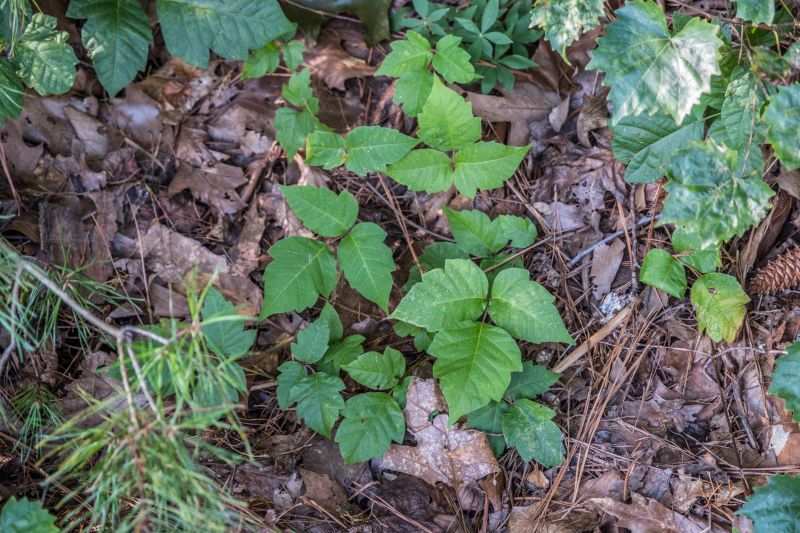
Poison Oak Removal in Newark, DE
Poison oak removal services focus on safely eliminating this hazardous plant from residential properties, ensuring homeowners can enjoy their outdoor spaces without the risk of skin irritation or allergic reactions. These services typically cover projects such as clearing overgrown areas, maintaining landscaped yards, or preparing land for new planting by removing poison oak patches. Property owners often want to understand the scope of removal, the methods used to ensure complete eradication, and any precautions taken to prevent regrowth.
Before requesting poison oak removal, homeowners should consider the size and location of the affected areas, especially if the plants are near play zones, gardens, or pathways. It’s also helpful to inquire about the safety measures involved during removal, including how the plant material is handled and disposed of, to avoid accidental contact. Clear communication about the extent of the infestation and any specific concerns can help ensure the project aligns with property maintenance goals.
Many property owners in Newark, DE look into Poison Oak Removal for repairs, replacements, upgrades, and appearance-related improvements.
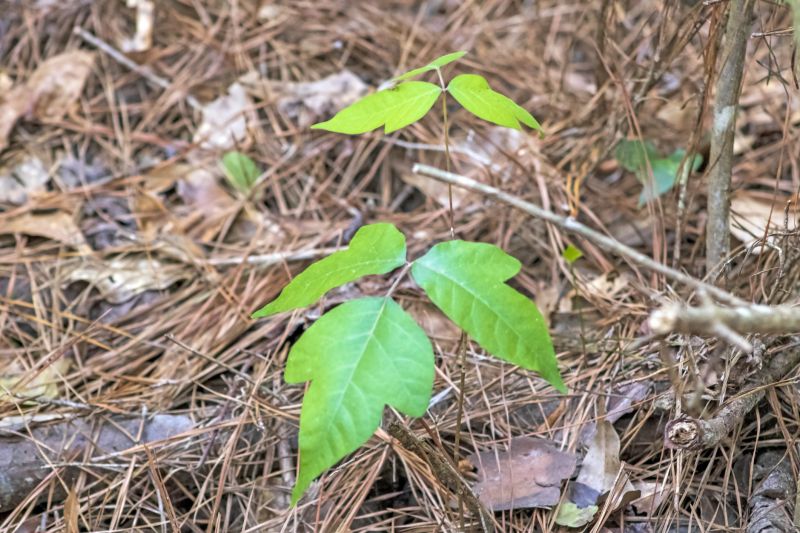
Understanding Poison Oak
Poison oak can cause skin irritation and allergic reactions if touched.
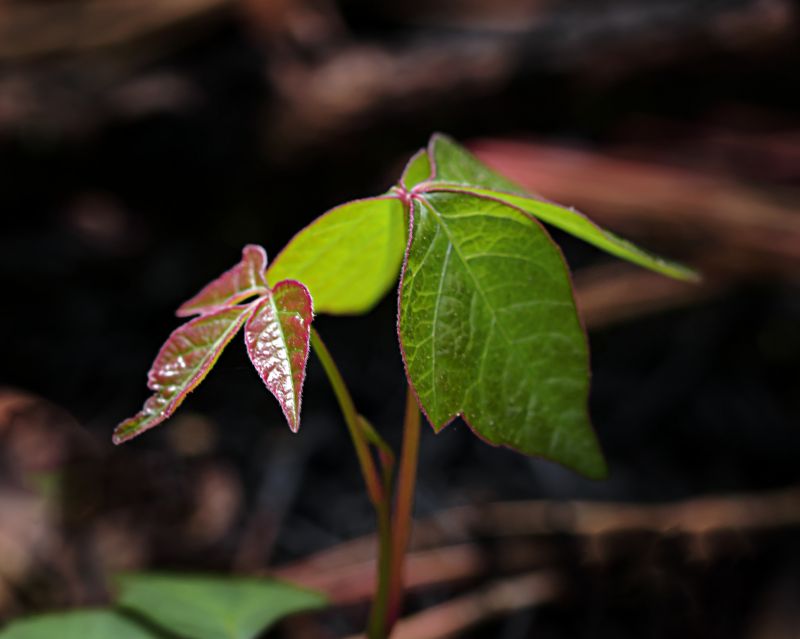
Signs Of Poison Oak Presence
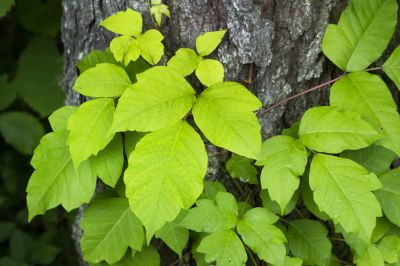
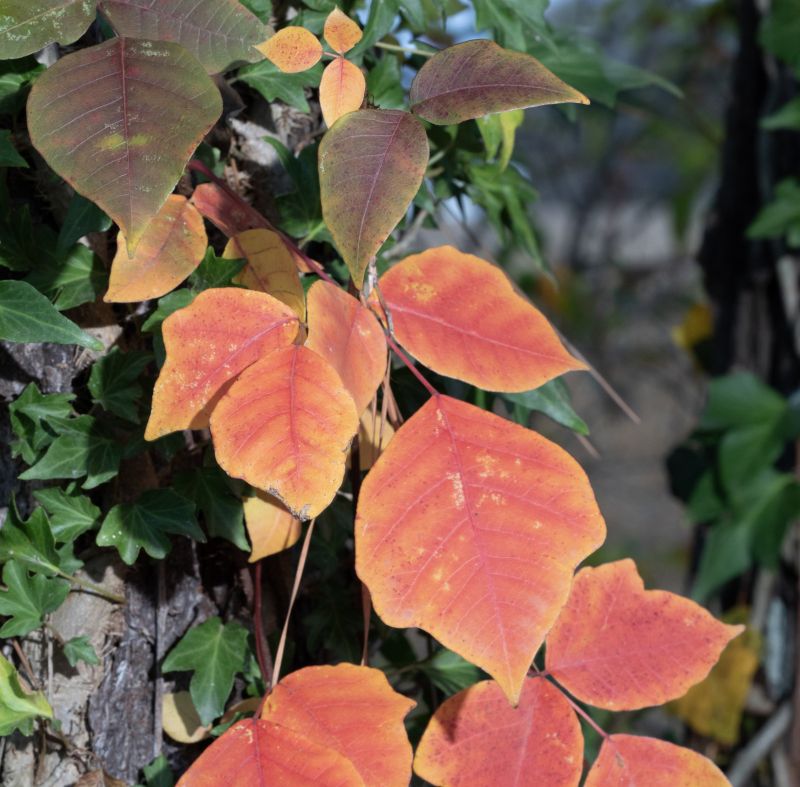
Identifying poison oak involves recognizing its distinctive leaves and growth patterns on your property.
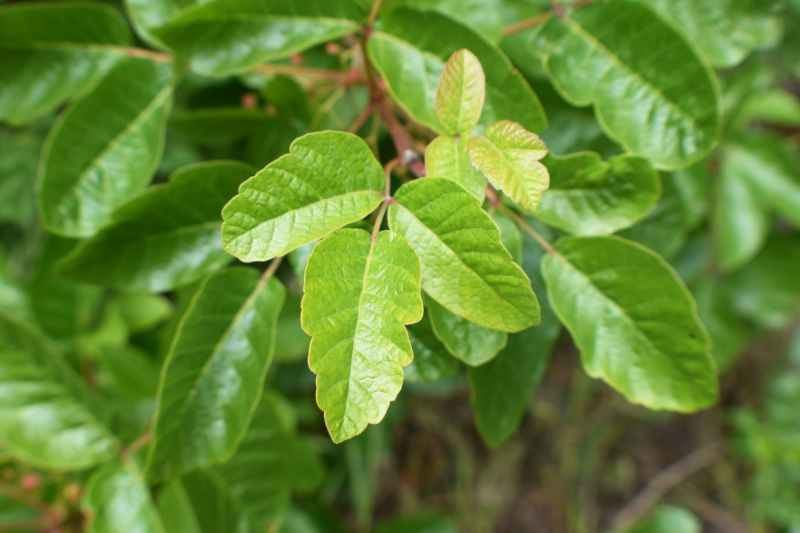
Benefits Of Professional Removal
Expert removal helps ensure safe and thorough elimination of poison oak from residential and commercial landscapes in newark, de.
Poison Oak Removal in Newark, DE

Poison oak removal services focus on safely eliminating this hazardous plant from residential properties, ensuring homeowners can enjoy their outdoor spaces without the risk of skin irritation or allergic reactions. These services typically cover projects such as clearing overgrown areas, maintaining landscaped yards, or preparing land for new planting by removing poison oak patches. Property owners often want to understand the scope of removal, the methods used to ensure complete eradication, and any precautions taken to prevent regrowth.
Before requesting poison oak removal, homeowners should consider the size and location of the affected areas, especially if the plants are near play zones, gardens, or pathways. It’s also helpful to inquire about the safety measures involved during removal, including how the plant material is handled and disposed of, to avoid accidental contact. Clear communication about the extent of the infestation and any specific concerns can help ensure the project aligns with property maintenance goals.
Many property owners in Newark, DE look into Poison Oak Removal for repairs, replacements, upgrades, and appearance-related improvements.
Common Poison Oak Removal Jobs
Poison Oak Removal - Safe removal of poison oak plants from residential and commercial properties.
Yard Clearing - Clearing overgrown areas to eliminate poison oak and improve landscape safety.
Brush and Shrub Removal - Removing dense brush and shrubs that may harbor poison oak.
Property Maintenance - Regular upkeep to prevent poison oak from spreading on the property.
Landscaping Services - Incorporating poison oak removal into landscape redesign and maintenance plans.
Emergency Removal - Prompt removal of poison oak in cases of accidental contact or exposure.

Poison Oak Removal Questions
What is poison oak removal? Poison oak removal involves safely eliminating the plant to prevent skin irritation and keep the property safe.
When should poison oak be removed? Removal is recommended when poison oak is present in high-traffic areas or near outdoor living spaces.
How is poison oak removed? The process typically includes manual removal of the plants and proper disposal to prevent regrowth.
Why hire a professional for poison oak removal? Professionals ensure safe and effective removal, reducing the risk of exposure and plant regrowth.
Request Poison Oak Removal in Newark, DE
Use the quote form on this page to share the basics of your project and request more information for the type of work you need.